
Leveraging the Health Data from IoT Wearables
Released: 07/20/2026

- How IoT wearables collect and share health data
- The benefits and limitations of wearable health data in clinical settings
- Privacy, security, and regulatory challenges for healthcare wearables
- Zero Trust healthcare principles for securing wearable and medical-grade devices




Download this Resource
Prefer to access this resource without an account? Download it now.
 Best For:
- Healthcare Security Professionals
- Medical Device Security Professionals
- Privacy and Compliance Professionals
- Data Governance Professionals
- IoT Security Professionals

Introduction
The use of wearable technology has expanded with both consumer products and medical-grade devices providing usable data for managing patients’ health. Wearable devices can provide healthcare providers with data allowing them to see trends in the patient’s health and real-time data on chronic disease progression. Wearables have a small footprint and relatively low cost.1
Consider that a patient comes into their provider’s office and, as the provider opens their chart, pulls out their phone and says they would like the provider to review the app they have been using to track their health. The patient wants to know how to share that data to aid their treatment. Most patients have a smartphone, and many have either a smart watch or a fitness tracker. These devices can provide valuable data, as well as some not-so-useful data.
Additionally, wearable devices promise not only to collect more but also better data. Take physical activity, for example. In the past, studies lacked access to objective measures of physical activity. Instead, they relied on participant reports of physical activity. Now, healthcare organizations can use data collected by wearable devices to apply predictive analytics to anticipate patient needs. The integration of Internet of Things (IoT) in predictive analytics holds immense potential to transform healthcare delivery by leveraging data-driven insights for informed decision-making.
Additionally, IoT technologies help streamline healthcare operations by automating administrative tasks, which saves time and reduces the need for an extensive administrative workforce, resulting in cost savings.2 The questions this paper will try to answer are: what are wearable medical devices, what data do they collect, how can that data be harvested and validated, and how can it be used to support patients and healthcare organizations alike?
Wearable Technology
Wearable technology in healthcare refers to electronic devices people can wear to track health data. These devices can continuously monitor health-related data and share the information with apps or medical professionals. The data can help detect health problems early.
Unlike traditional medical tools used only in healthcare facilities, healthcare wearables work continuously. They are small, lightweight, and often look like wristwatches, fitness bands, or even clothing.3 The most common examples are consumer-grade fitness trackers that monitor heart rates and other exercise-related data. Additionally, smartwatches can track specific medical data, such as oxygen levels and heart rate. Medical-grade systems approved for clinical use can also track more specific health vitals such as glucose, blood pressure, and other condition-specific markers.4
Wearable Smart Devices
The following are examples of wearable technology already making an impact in healthcare.
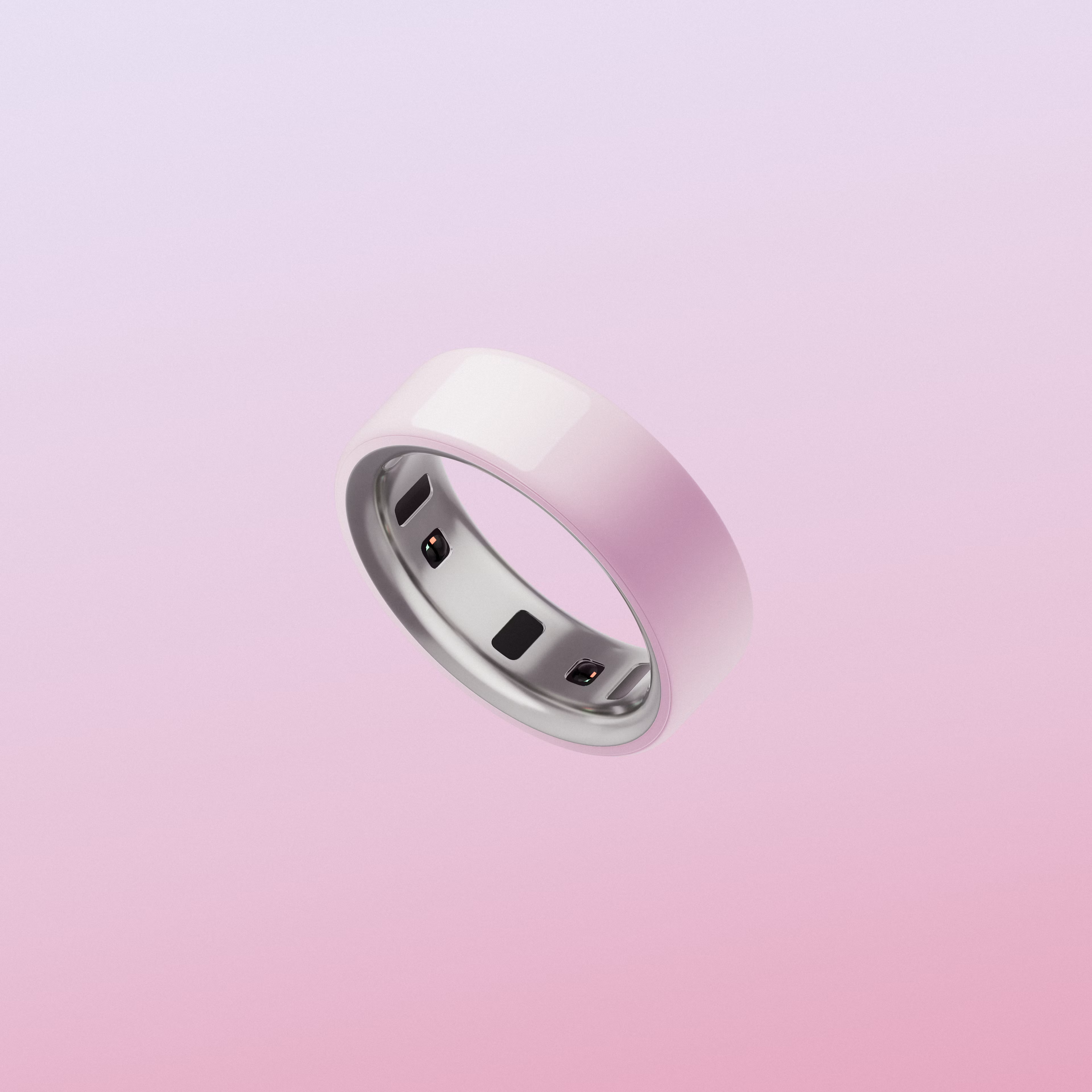
Oura Ring
The Oura Ring measures sleep patterns, activity levels, heart rate, body temperature, and respiratory rate. One of the most common wearable health trackers, the ring provides analytics on sleep quality, readiness for physical activity, and potential onset of illness. Many of these features require a subscription.
Smart Watch
With the Apple Watch Series 11, you can receive hypertension notifications. The optical sensor provides data to an algorithm that can detect potential hypertension by analyzing how your blood vessels respond to the heart’s beats over 30 days. The watch includes the Vitals app, which lets you view your overnight health data, including heart rate, respiratory rate, wrist temperature, and sleep duration. It will send a notification if multiple metrics are outside your typical range. You can check for signs of atrial fibrillation (AFib) right from your wrist by using the ECG app to generate a single-lead electrocardiogram. Other features include monitoring the person’s heart rate and blood oxygen level, which shows how well your body uses oxygen. These features can indicate health issues, aiding healthcare providers in diagnosis and treatment.
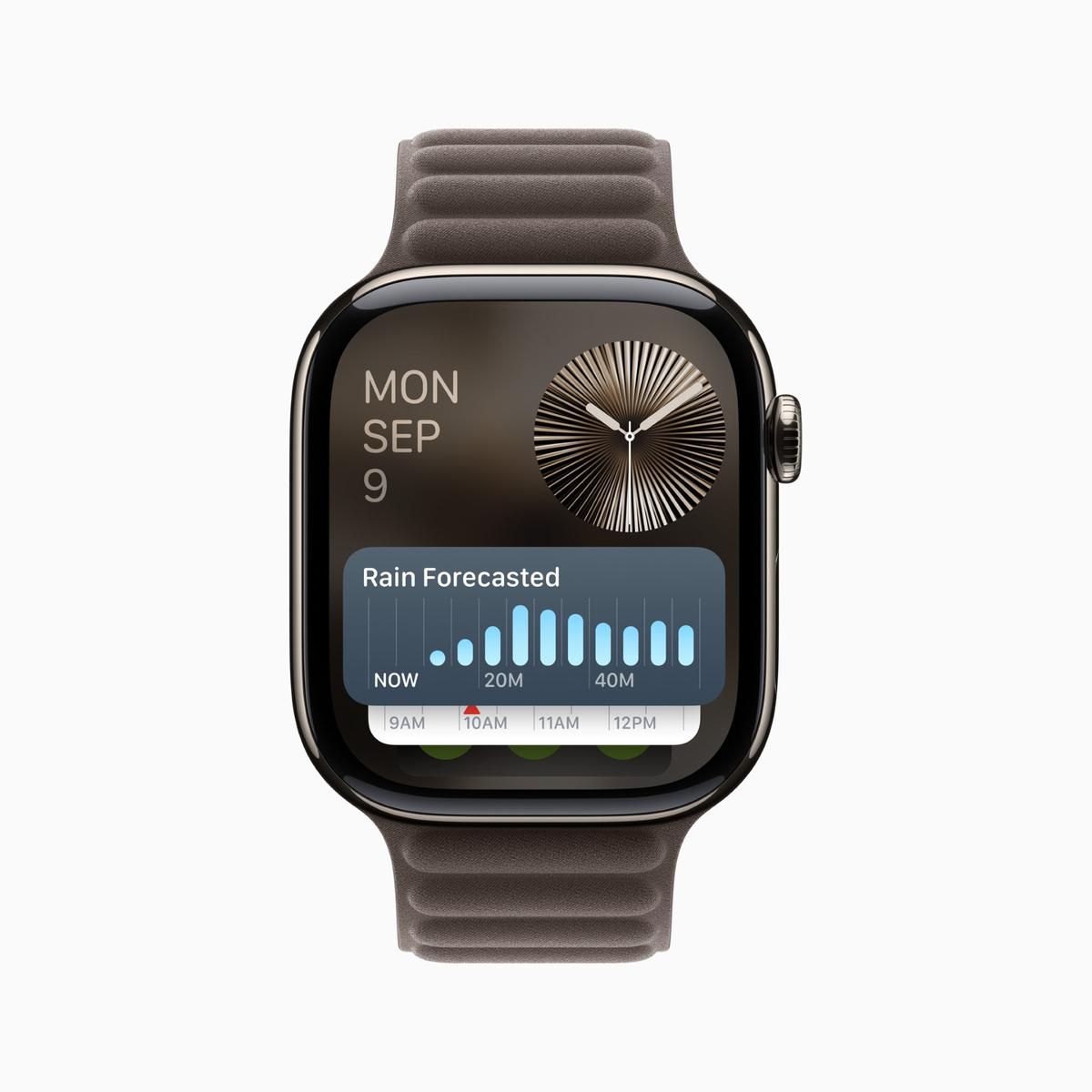
Figure 2: Apple Watch Series 11 Smart Watch
For fitness, there is a workout app with activity rings that tracks your daily activity and notifies you when you reach your daily goals.
Note: The Apple Watch is not the only smart watch available. It is used here as an example of smart watches.
Fitness Tracker
Fitbit’s wearable fitness tracker displays your heart rate and connects to various fitness devices. It shows cardio fitness with a blood oxygen monitor. The device also provides a sleep score, a stress management feature, and spot changes in oxygen levels and skin temperature.
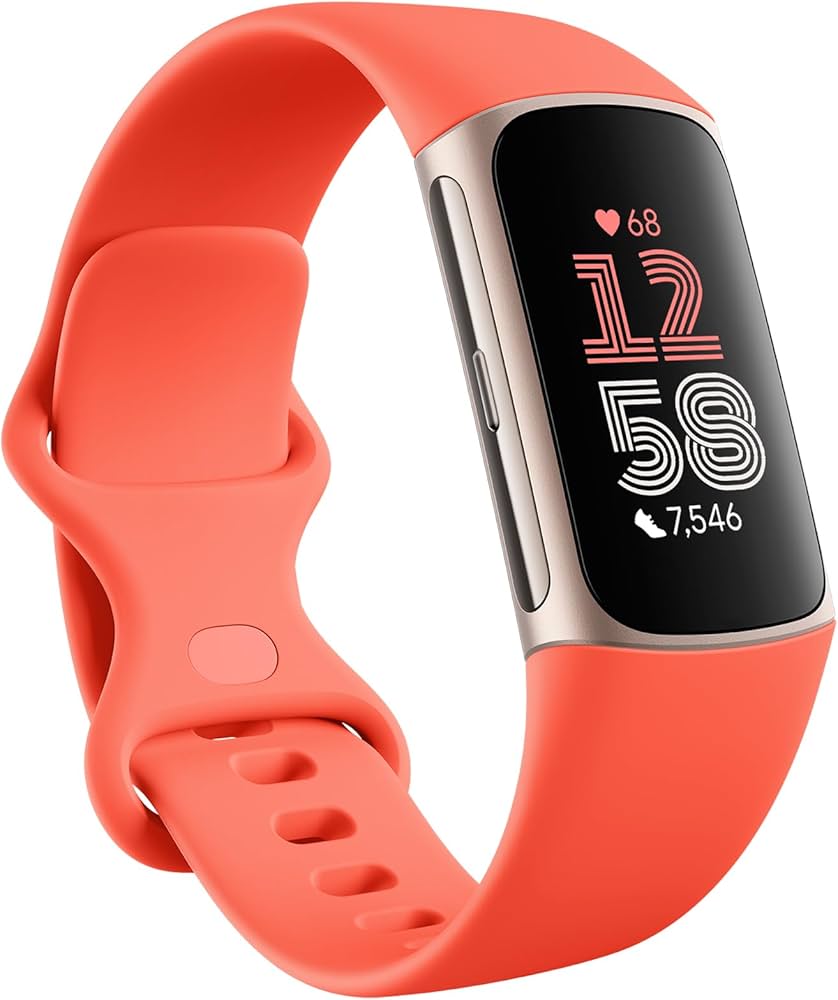
Figure 3: Fitbit Fitness Tracker
Medical-Grade Wearables
Medical-grade wearables are specialized devices designed for specific health conditions or remote patient monitoring. Healthcare providers often prescribe these devices and require FDA clearance.
Some examples include cardiac event monitors, continuous glucose monitors, insulin pumps, and blood pressure monitors. These wearables enable healthcare providers to monitor patients remotely and adjust treatment plans as needed.
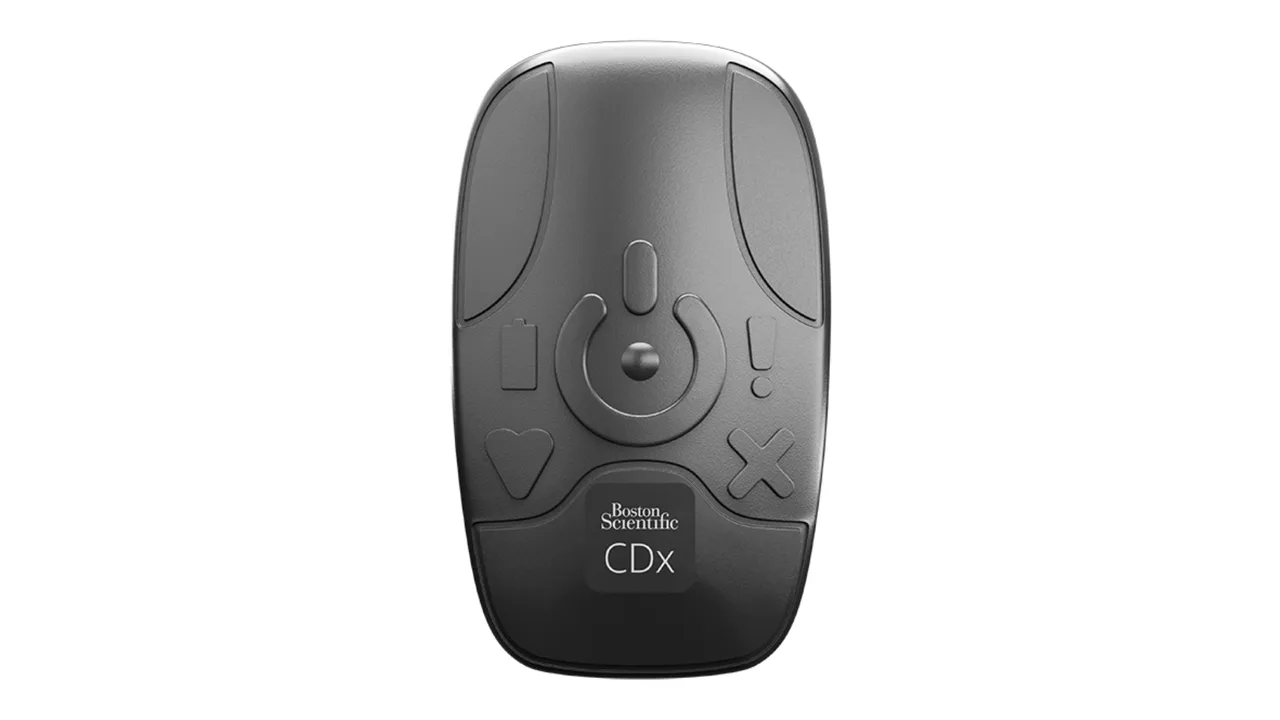
Figure 4: Cardiac Event Monitor
A wearable cardiac event monitor is a device that continuously tracks your heart rate and rhythm, helping detect irregularities such as arrhythmias. These monitors can be worn for extended periods, providing valuable data to help healthcare providers diagnose and manage heart conditions.
Continuous glucose monitors are wearable devices that provide real-time blood sugar readings to detect when levels are too high or too low. They provide a powerful tool for managing diabetes.
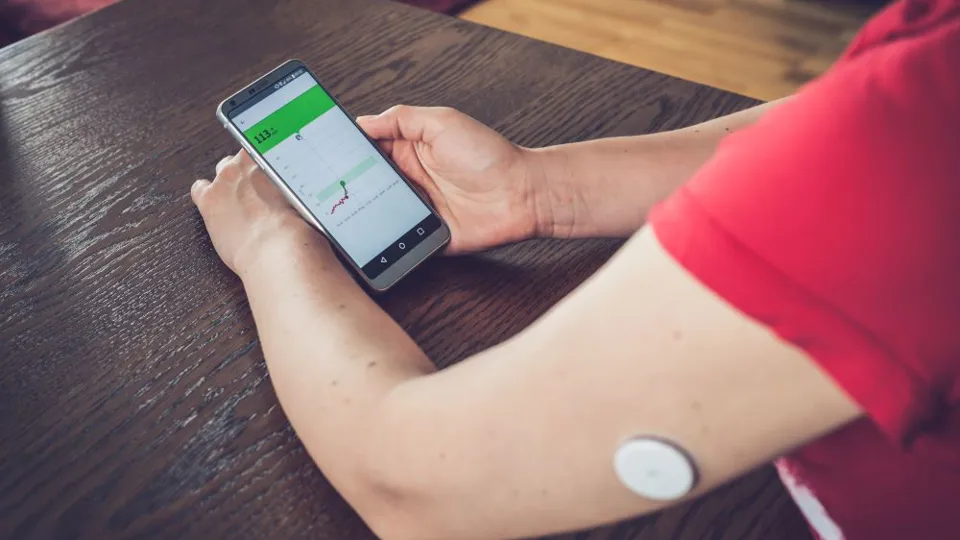
Figure 5: Continuous Glucose Monitor
An insulin pump is a wearable medical device that supplies a continuous flow of rapid-acting insulin underneath your skin. Most pumps are small, computerized devices that are roughly the size of a juice box or a deck of cards.
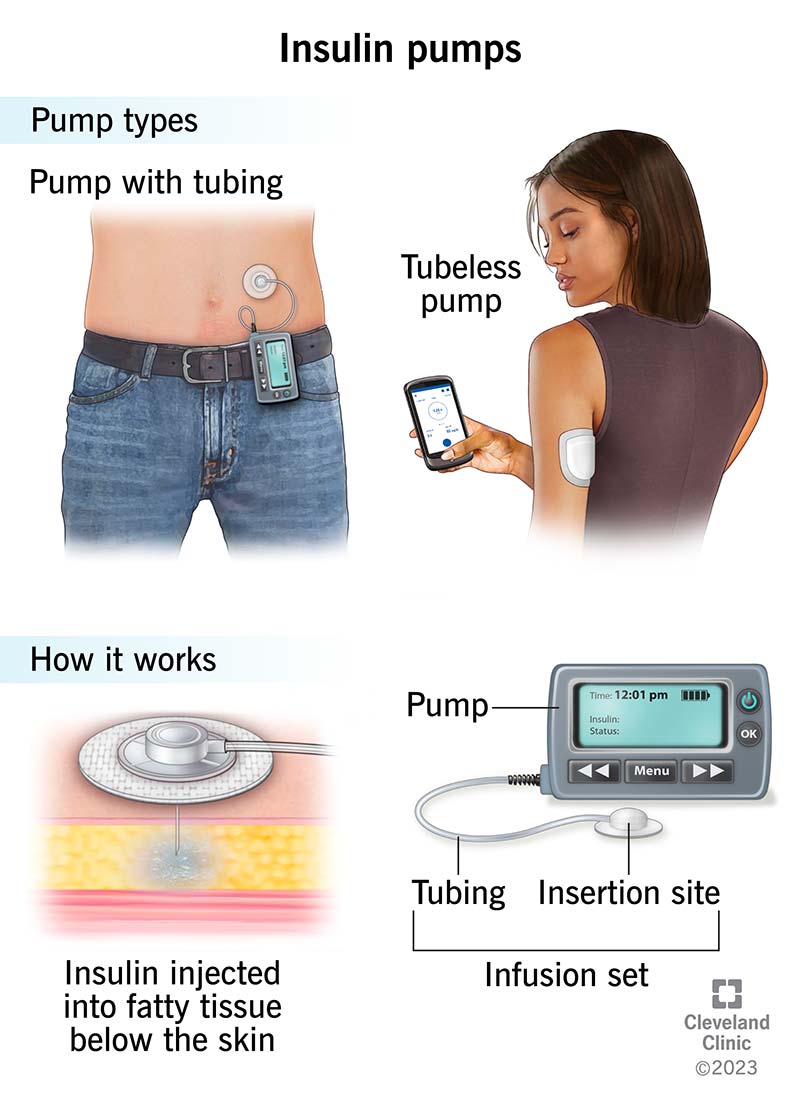
Figure 6: Overview of Insulin Pumps
A wearable blood pressure monitoring device continuously tracks blood pressure using optical sensors and photoplethysmography (PPG) technology, providing real-time data without the need for traditional cuffs. These devices can help detect changes in blood pressure throughout the day and night.
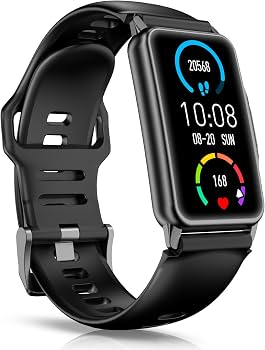
Figure 7: Blood Pressure Monitor
Benefits of Wearable Technology
Wearable technology in healthcare offers a range of benefits that can transform the way individuals manage their health and how healthcare is delivered. These devices empower patients with real-time health data, improve medical outcomes, and drive efficiencies in healthcare systems. The following are some of the benefits:
-
Continuous Health Monitoring: One of the key benefits of wearable technology in healthcare is its ability to continuously monitor vital signs and biometric data, providing a more comprehensive picture of an individual’s health than routine check-ups
-
Personalized Health Insights: Wearable technology enables tailored insights for each individual. By collecting and analyzing data on activity levels, sleep patterns, and other metrics, wearables can provide users with actionable recommendations to improve their well-being
-
Remote Patient Monitoring: Wearable technology allows healthcare providers to monitor patients’ health outside of clinical settings. This is particularly beneficial for individuals with chronic conditions or those recovering from surgery
-
Improved Patient Outcomes: Ultimately, the goal of wearable technology in healthcare is to improve patient outcomes. By enabling early detection, personalized insights, and remote monitoring, wearables have the potential to prevent complications, reduce hospitalizations, and enhance overall quality of life
As wearable technology continues to evolve and become more sophisticated, its impact on patient outcomes is likely to increase. From early disease detection to personalized treatment plans, wearables are poised to transform the way we approach healthcare delivery.5 The validation of data from wearable devices is critical in ensuring their utility and effectiveness in healthcare. As wearable technology continues to evolve, the focus on rigorous data validation will remain crucial in harnessing its full potential.
Data from consumer-grade wearables is difficult to validate due to a lack of transparency and inconsistent standards. Many consumer devices do not disclose information about their data-processing algorithms and may not adhere to clinical standards. In contrast, research-grade wearable devices are built with validation in mind, ensuring their data meets the high standards necessary for healthcare applications. Research-grade devices conform to rigorous testing against well-defined clinical standards. In order to effectively use data from consumer-grade devices, they must increase transparency and be tested against defined clinical standards.
Data Collection
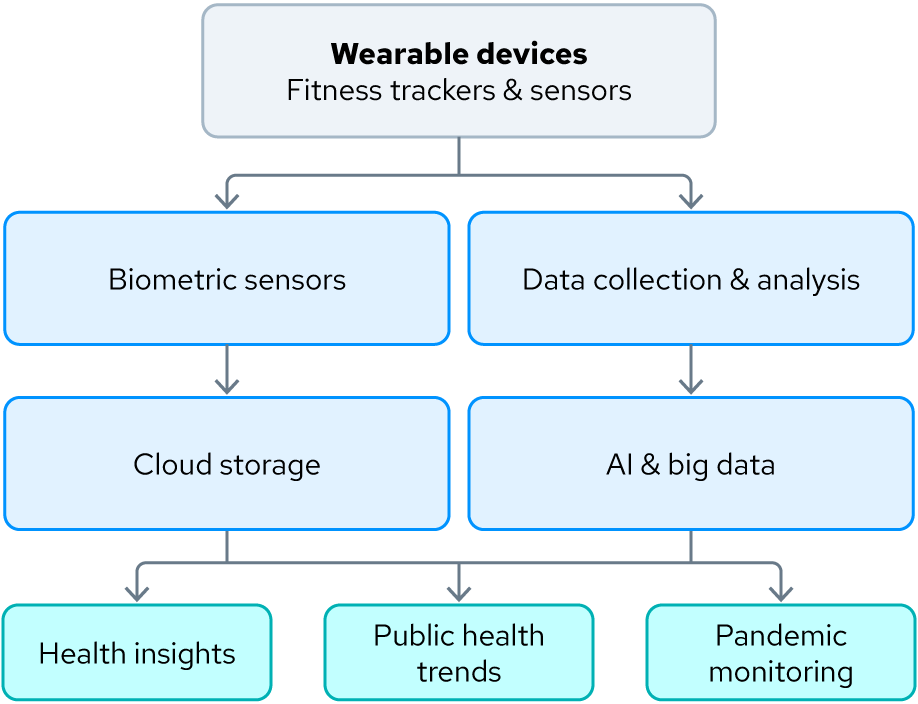
Wearable devices, such as fitness trackers and smart watches, collect sensitive personal information through continuous sensor monitoring. This data can include health metrics, heart rate, GPS location, and biometric inputs.6 The capacity of consumer wearables to continuously monitor a range of health metrics can help users in making real-time adjustments to their behavior. In turn, these behavior changes can lead to increased physical activity, better sleep hygiene, and enhanced athletic performance. Regarding public health, this aggregated data holds promise for initiatives providing insights into physical activity trends, disease risks, and the early detection of pandemics.7
.png)
Figure 8: Wearable Health Data Collection and Processing Lifecycle
With recent advances in artificial intelligence and machine learning, the value of wearable-derived data will continue to evolve, unlocking new possibilities to personalize health interventions, advance scientific research, optimize healthcare delivery, and inform public policy. When combined with big data analytics, these datasets can be analyzed to estimate indicators of mood, stress levels, and behavioral patterns that go well beyond what users would knowingly disclose.
The functionality of today’s wearable devices hinges on three core elements: sensors, data, and connectivity. These components work together to deliver real-time insights and enhance user experience:
- Sensors: Sensors are the backbone of wearable devices; at their most basic, they convert physical phenomena into electrical signals and capture biometric and environmental data. Usually, devices contain multiple sensor systems. Common sensor types include:
- Photoplethysmography (PPG): Monitors blood flow and heart rate using optical measurements
- Bioimpedance Sensors: Analyze body composition by measuring bioelectrical impedance, including electrical resistance and reactance
- MEMS Accelerometers/Gyroscopes: Track movement and orientation for fitness trackers
- Environmental Sensors: Measure UV exposure, temperature, and air quality
-
Data: Once collected, data is processed on the device, on a paired smartphone, or in the cloud. Advanced algorithms analyze patterns and fuse inputs from multiple sensors. This data is then sent to an app or other platform where individuals or healthcare professionals can access it. Some patient portals allow data to be uploaded, where it becomes part of the patient’s record
- Connectivity: Modern connectivity standards enable seamless integration with other devices:
- Bluetooth Low Energy: Ensures energy-efficient communication
- Wi-Fi 6/6E: Supports high-bandwidth data transfers
- ANT+: Pairs with fitness equipment for enhanced tracking
- Emergency SOS: Uses cellular or satellite connectivity to send alerts
Using these technologies, healthcare providers can monitor their patients’ health and provide personalized advice and care through a digital platform.
Once collected, data can be analyzed using various statistical methods. The following are two examples of these methods:
-
Functional data analysis refers to a collection of methods for analyzing data over a continuous curve or functions. Functional data analysis examines data that change over time, such as temperature readings or glucose levels throughout the day. Functional data analysis steers clear of considering every reading, instead taking the efficient route of representing hundreds, thousands, or millions of wearable and other health information on a graph or curve. This approach accurately identifies trends and patterns throughout the data sequence, allowing for some flexibility when comparing different sections of a demographic.
-
Generalized Functional Principal Component Analysis (GFPCA) tracks changes in data over time. Like functional data analysis, this system employs graphs and curves to aggregate health data and identify patterns and trends. However, while functional data analysis focuses solely on function and time, GFPCA goes further by considering additional variables. For example, while functional data analysis is likely to focus on the patterns and trends observed in computing sleep data from user wearable devices, GFPCA would consider other variables such as age, occupation, and level of education to determine patterns and trends and potential impact on sleep quality.8
Data Limitations and Challenges
One limitation of data collection from wearable devices is the lack of tools for extracting data from mobile health applications. For example, the Apple Watch collects health data, and the Health app on the iPhone lets users view it. The health app allows you to share information with other people, other apps, and your doctor. The app allows you to share with a limited list of healthcare facilities. If your facility is not listed, the only way to share the data with your provider is to show it to them in the app.
Another challenge that needs to be addressed is that more data does not necessarily lead to better decisions. Wearables can overwhelm clinicians with:
- Large volumes and a high frequency of data
- Incomplete or inaccurate readings
- Variability in data caused by user behavior, sensor placement, functionality, and environmental factors
Data must be filtered and prioritized, and context-aware analytics applied before it becomes useful. Without this, wearable data may become a burden rather than an asset in a clinical setting.
Privacy and Security Concerns
With the increased popularity of wearable technology, concerns about privacy and security have also come to the forefront. These devices, including smart watches, fitness trackers, and medical devices, have become an integral part of our daily lives, offering convenience and enhancing our connectivity.
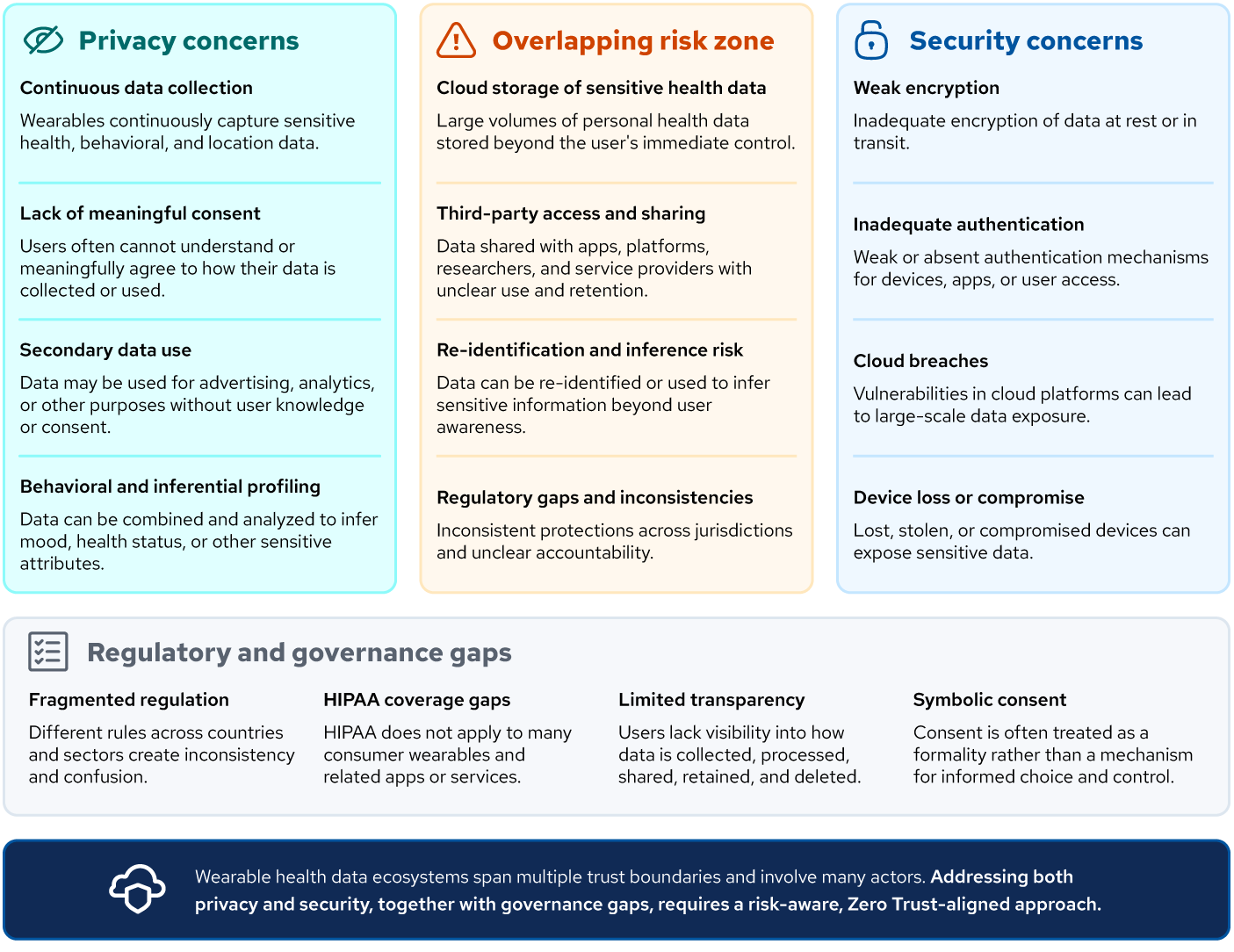
Privacy and security concerns with wearable devices primarily revolve around how sensitive health information is collected, stored, and shared. Since these devices continuously monitor physiological and behavioral data, they create large volumes of personal health information that can be vulnerable to misuse or breaches.
The rapid proliferation of these devices, which continuously collect intimate health metrics from heart rate patterns to sleep cycles, has outpaced the development of comprehensive security protocols, exposing sensitive information to potential breaches and unauthorized access.9 Health devices with rapid health-monitoring technology have created new challenges for safeguarding sensitive medical information.
.png)
Figure 9: Overlapping Privacy and Security Concerns in Wearable Health Technologies
Privacy
One issue with wearable digital health technology is privacy for data collection and storage. As these devices track and monitor personal health data, they collect substantial amounts of personal data. This data is often stored in the cloud, and third parties are granted access to it for various purposes. As many wearable devices share data with third-party apps and services, it is often unclear how this data is being used. This leads to privacy concerns, as personal health data can be sold to advertisers or used for other purposes without the individual’s knowledge or consent.10
Privacy is a significant challenge with wearable devices. One of the foundational challenges in the wearable ecosystem is the reliance on informed consent. Most health information privacy regulations require informed patient consent for the collection of health information. In practice, wearable technologies are not designed to support meaningful consent. These devices often lack screens, keyboards, or other interfaces capable of conveying complex privacy terms.
Wearable activity trackers operate in the background, continuously collecting data with limited user interaction. This passive and persistent data collection further complicates their ability to meaningfully inform users. Additionally, users typically underestimate the extent and nature of data collection and rarely understand how their information is stored, processed, or shared. Consent, in the case of wearable devices, functions less as a mechanism for autonomy and more as a tool for symbolic compliance.11
Wearable health data raises additional privacy risks related to how data is combined, controlled, and re-identified. Even when datasets are anonymized, individuals may be re-identified when wearable data is linked to other datasets, such as mobile app data, location records, or demographic information. Aggregation across devices and platforms can further enable detailed profiling of users’ behaviors, routines, and health patterns. In addition, many systems provide limited user control over the data they collect, including restricted options to delete, export, or manage how their health information is stored and used. Together, these factors increase the risk of unintended exposure and misuse of sensitive personal health data.
In the European Union (EU), privacy is regulated by the General Data Protection Regulation (GDPR), and in the United States, by the Health Insurance Portability and Accountability Act (HIPAA). While these provide some protection for personal health data, they do not adequately protect health information. This is particularly true for the United States. Companies that make smart devices and fitness trackers are not covered entities or business associates, so HIPAA does not apply to them. This gap in health information privacy regulations needs to be closed to protect individuals’ health information.
In the United States, the Federal Trade Commission (FTC) enforces the Health Breach Notification Rule, which requires certain organizations to notify consumers and the FTC in the event of a data breach involving unsecured personal health information. This rule is crucial for protecting consumer privacy in the digital age.
To comply with privacy regulations, organizations need to implement privacy-enhancing technologies (PET). PETs enable data analysis, sharing, and testing without exposing sensitive data. The following are examples of PETs:
-
Homomorphic Encryption: Homomorphic encryption is an encryption scheme that enables analytical functions to be run on encrypted data. Homomorphic encryption allows any machine-learning algorithm to perform computations on data without decrypting the plaintext
-
Trusted Execution Environment: A Trusted Execution Environment (TEE) is a segregated area of memory and CPU that is protected from the rest of the CPU using encryption; any data in the TEE cannot be read or tampered with by code outside that environment. Data can be manipulated within the TEE only by code suitably authorized. A TEE is a hardware-based PET that secures data in a private enclave within a processor or network
-
Differential Privacy: Differential privacy protects individual identities by adding controlled statistical noise to datasets before analysis and release. It enables learning aggregate patterns about a population without exposing anyone’s personal data
-
Pseudonymization: Pseudonymization replaces directly identifying information with artificial substitutes
PETs empower organizations to unlock the full potential of data while upholding individual privacy rights.
Security
Wearable technology has become an integral part of modern life, from smart watches and wellness trackers to medical devices. While these devices offer convenience and improved health monitoring, they also raise significant security concerns. So how secure is your data on wearables?12 Vulnerabilities in wearable devices can lead to security breaches and the loss of personal data. The following are some of the security risks in wearable devices:
-
Weak Encryption and Data Transmission: Wearables often lack strong encryption protocols, making data transmission between devices and cloud services susceptible
-
Inadequate Authentication Measures: Many wearable devices lack robust authentication methods, relying on simple PIN codes or automatic pairing with connected devices
-
Data Breaches and Unauthorized Access: Companies that manufacture wearables store massive amounts of user data. If these databases are not secured properly, they become prime targets for hackers
-
Device Hacking and Malware Attacks: Wearables are vulnerable to malware, especially when connected to other smart devices
-
Integration and Interoperability: Wearables interact with other platforms and devices, making it hard to keep data secure
-
Physical Security: Wearable devices can be easily lost or stolen, posing a risk to stored data
Connecting a wearable device wirelessly to the Internet, the cloud, or a network requires multiple devices. First, there is the wearable device. In most cases, the wearable device connects to an intermediary device, such as a smartphone or tablet, using Bluetooth. Bluetooth is an example of a connection that can potentially compromise the user’s privacy and security. Bluetooth devices can make it far easier for many to locate devices within a certain range and to conveniently perform cyberattacks, such as man-in-the-middle (MITM) attacks, where users can easily eavesdrop on other users. If the intermediary device connects wirelessly, it is recommended that the wearable device use 802.11ax. This allows the device to be secured using WPA3 with 256-bit AES encryption.
The collection and storage of sensitive personal data make wearables attractive targets for security threats. Data breaches, unauthorized access, and the potential for misuse of personal information are significant concerns that need to be addressed.
Securing wearable devices requires a mix of good personal habits and smart configuration. The following are some steps you can apply whether you’re using a fitness tracker, smart watch, or a clinical-grade wearable:
-
Lock down the device itself. Most wearable data flows through a smartphone or base station.
- Set a pin.
- Enable auto-lock so the device is locked when removed.
-
Secure the paired device.
- Enable full device encryption.
- Keep Bluetooth visibility limited.
-
Keep all devices updated.
-
Review application permissions and approve only those required.
-
Protect your data in the cloud, since most wearable data ends up there.
- Use strong passwords.
- Enable multifactor authentication (MFA), if available.
- Review data retention and sharing policies, and determine if data is sold or anonymized for research purposes.
- Check for HIPAA compliance, data encryption at rest and in transit, and determine clear ownership of collected data.
-
Be mindful of using wireless connections as they are an attack vector.
- Avoid using insecure Wi-Fi.
- Prefer Bluetooth Low Energy with encryption.
- Disable the connection protocol when not needed.
Zero Trust Alignment with Healthcare and Medical Device Standards
Before we discuss implementing Zero Trust for wearable devices, it is essential to note that manually managing them would be very labor-intensive due to the number of devices in most healthcare organizations. Organizations need tools to manage microsegmentation of their networks, enforce policies, identify vulnerabilities, and provide endpoint detection and response.
Wearable technology, such as smart watches and fitness trackers, presents unique security challenges. Applying Zero Trust principles can enhance the security of these devices and the data they handle.
There are two issues related to Zero Trust for wearable devices. The first issue involves patients who wish to connect to the patient portal and upload their data from a wearable device. The patient portal should require MFA. Once authenticated, the patient can verify the device, and the data will be uploaded.
For medical-grade devices accessing the network internally, the organization should apply the following Zero Trust principles:
-
Perform Continuous Verification:
- Authentication: Every interaction with a wearable device should require authentication
- Dynamic Risk Assessment: Access should be granted based on real-time evaluations of risk
-
Implement Least-Privilege Access:
- Restricted Permissions: Wearables should only have access to the data and applications necessary for their function
- User Control: Users should have the ability to manage permissions for their wearables, ensuring they only share necessary data with apps and services
-
Institute Microsegmentation:
- Data Segmentation: Wearable devices should segment data access based on user roles and contexts
- Network Segmentation: Wearables should operate on separate network segments to minimize exposure to threats
-
Use Automated Context Collection and Response:
- Monitoring: Continuous monitoring of wearable devices is essential, including tracking access patterns and detecting anomalies in data usage
- Automated Response: In the event of suspicious activity, automated systems should respond quickly, such as locking the device or requiring re-authentication
By implementing these Zero Trust principles, organizations can better protect wearable technology and the sensitive data they manage.13
In addition, healthcare organizations need a computer program that will enable them to see all devices. The management of medical-grade wearables should provide a complete inventory of all devices and their location. The program should include fingerprinting devices for inventory, with sufficient specificity and detail to enable effective near-real-time authorization decisions for resource requests. There are many programs specifically designed for medical device management that include IoT devices.
Some programs will also identify vulnerabilities and risks associated with medical devices. Regardless of which program organizations choose, the tool should provide a complete picture of the wearable device ecosystem.
The use of these types of programs after collecting all the data about the device serves as the policy decision point. The program will make the policy decisions and forward them to the policy enforcement point. Because these programs know each device’s operating requirements (e.g., internal/external connection requirements, intended workflows), the automation is highly effective. Through meaningful integrations with microsegmentation, administrators can:
- Understand device identities and existing relationships
- Virtually simulate the impact of security policies
- Test the impact of underlying policy rules and modify them as required
- Study segmentation effects without disruption to clinical operations
While no healthcare regulation or medical device standard explicitly mandates the use of a Zero Trust architecture, several authoritative frameworks align with Zero Trust principles, particularly in environments involving distributed data collection, mobile endpoints, and cloud-based processing. In the United States, the HIPAA Security Rule emphasizes access control, audit controls, integrity protection, transmission security, and the principle of minimum necessary access (45 CFR §164.312). Although HIPAA does not reference Zero Trust by name, these requirements align with Zero Trust principles that reject implicit trust and favor explicit authorization and least-privilege access. As wearable devices increasingly generate health data outside traditional healthcare perimeters, often through consumer devices and third-party platforms, the limitations of perimeter-based interpretations of HIPAA become more pronounced, reinforcing the relevance of Zero Trust–aligned approaches.
Similarly, FDA cybersecurity guidance for medical devices promotes concepts that closely align with Zero Trust, including strong authentication, least privilege access, secure data transmission, continuous risk management, and the ability to detect and respond to anomalous behavior throughout the device lifecycle 14. While the FDA’s focus is primarily on patient safety and device lifecycle risk rather than enterprise access architectures, its guidance reflects a shift away from static trust assumptions toward continuous evaluation of device behavior and system interactions. In contrast, NIST explicitly defines and recommends Zero Trust architectures for environments that include cloud computing, mobile systems, and IoT devices (NIST SP 800-207). Wearable health technologies fall squarely within this scope, as they operate across multiple trust domains and involve diverse actors, reinforcing the applicability of Zero Trust principles to wearable and connected health ecosystems.
While Zero Trust aligns well with the distributed nature of wearable ecosystems, practical enforcement is typically achieved at network and platform layers rather than on the wearable device itself due to severe device‑level constraints.
Regulatory Environment
“The only way to stop big data from becoming big brother is to introduce privacy laws that protect basic human rights online.”
— Arzak Khan
Before we dive into the regulations, it is important to take a minute to discuss which countries are included, as there is no global regulation as of yet. To see the privacy regulation for a specific country, visit Data Protection Laws of the World.15 Some examples of the regulatory environment include:
-
United States: Federal privacy regulations address industry- or legal-area-specific rules. In addition to HIPAA, health information is regulated by the Health Information Technology for Economic and Clinical Health (HITECH) Act. In the absence of federal law, the states have stepped in with their own legislation, most prominently California with the California Consumer Privacy Act (CCPA), Maine with the Maine Act to Protect the Privacy of Online Consumer Information, and Nevada with the Nevada Senate Bill 220 Online Privacy Law
-
European Union: The General Data Protection Regulation (GDPR) is the primary regulation for the EU. What makes the GDPR so important isn’t the data protection requirements or even its international scope. Rather, it’s the position of the Data Protection Officer and the extensive individual rights that were codified
-
Asia-Pacific Regulations: China passed the Cybersecurity Law of the People’s Republic of China in late 2016. Several guidelines quickly followed it, including:
- The Personal Information Security Specification from the National Information Security Standardization Technical Committee (TC260)
- Guidelines on Personal Information Security Impact Assessment from the Draft National Standard of Information Security Technology
- Guidelines on Internet Personal Information Security Protection
-
India: Privacy law in India is a very recent development. The law is highly controversial because it grants the state the power to violate its own rules. The regulation intends to create a GDPR-like law and corresponding agencies in India
-
Australia: Australia bears some resemblance to the United States in that its privacy legislation is a mix of multiple state and territory laws, but quite unlike the United States, Australia has had a federal privacy law in place since 1988.16
There are several regulations worldwide that protect the data collected, stored, transmitted, and used for various purposes. Additionally, these regulations require informed consent for the use of health information. There is one notable exception: companies that make fitness trackers and collect data from them in the United States are not covered by HIPAA because they are not covered entities or business associates. The Health Information Privacy Reform Act17 being introduced in the United States Senate, would require these companies to comply with HIPAA. This bill has not yet passed committee.
Future Directions in Healthcare Wearables
United States Department of Health and Human Services (HHS) Secretary Robert F. Kennedy Jr. wants every American to use a wearable health device within four years. Is that goal worthwhile, and is it attainable?18
Wearables are effective for chronic disease management, guiding patients into making behavioral and health changes while reducing the strain on health systems. However, for healthcare to embrace a wearable-centric strategy, the industry must institute data governance, clinical integration and validation policies. Without this foundational structure, wearable data risks becoming more noise than value.
Some issues holding back the large-scale implementation are physician workload and payment. Physicians are stretched thin, so new data must be easy to access, use, and filter, and the data must be secure and private. Data must be available in the provider’s electronic health record (EHR) system. It simply takes too long for a provider to search and digest data from a patient’s mobile application. Additionally, they need better reimbursement models that compensate providers for the time required to review and act on patient-generated data.
Widespread adoption could meaningfully improve outcomes, particularly for patients enrolled in disease management programs. However, significant barriers remain. Chief among them are cost, accuracy, and privacy. Wearables also face the same issues as other devices, such as interoperability and a lack of regulation. There will continue to be targeted programs where wearables are integral to treatment. It is also reasonable to expect that wearable health devices, coupled with AI, can go beyond passive tracking toward predictive health analytics that flag emerging risks and help guide early, personalized interventions, moving closer to practical clinical utility than traditional fitness tracking. But to truly unlock the potential of a wearable-first health strategy, we need simultaneous revolutions in both the consumer device market and the EHR-informed models that guide clinical decision-making.
Looking forward, AI and wearable technology will transform healthcare by enabling continuous monitoring and personalized care. These innovations shift the focus from reactive treatment to proactive health management. This trend will help usher in personalized medicine, allowing more customized treatment plans based on individual health data.
Conclusion
The evolution of connected wearables has transformed devices from fun health trackers into intelligent health management systems, redefining how we approach patient care. Traditional healthcare largely responds to issues as they arise, but wearables allow for continuous monitoring, enabling preventive care, personalized treatment, and early intervention. These technologies effectively track health metrics such as heart rate, blood pressure, and activity levels. Analyzing this data and providing actionable insights can help healthcare providers and patients make better-informed decisions.
While wearable technology has opened new frontiers in personalized medicine, they also come with significant challenges related to privacy, data security, regulatory compliance, ethical considerations, and data accuracy. As we continue to integrate wearable technology into healthcare, the long-term benefits for patients, providers, and health systems are promising, allowing healthcare to become smarter, safer, more efficient, and truly personalized.
References
Actions - S.3097 - 119th Congress. (2025-2026). Health Information Privacy Reform Act. (2025, November 4). https://www.congress.gov/bill/119th-congress/senate-bill/3097/all-actions
Bruce, G. (2025). Will RFK Jr.’s wearables push work? https://www.beckershospitalreview.com/healthcare-information-technology/digital-health/will-rfk-jr-s-wearables-push-work/
Dalglish, S. (2024). Ensuring Wearable device security in the IoT era: Challenges and strategies. https://cyberpandit.org/wearable-device-security/
DLA Piper Intelligence, 2026. Data Protection Laws of the World, retrieved from https://www.dlapiperdataprotection.com/
Doherty, C., Baldwin, M., Lambe, R., Altini, M., & Caulfield, B. (2025). Privacy in consumer wearable technologies: a living systematic analysis of data policies across leading manufacturers. https://doi.org/10.1038/s41746-025-01757-1
Food and Drug Administration, 2026. Cybersecurity in Medical Devices: Quality Management System Considerations and Content of Premarket Submissions, retrieved from https://www.fda.gov/regulatory-information/search-fda-guidance-documents/cybersecurity-medical-devices-quality-management-system-considerations-and-content-premarket
Kumar, A. (2025). Wearable Technology in Healthcare: Types, Benefits, and Future Challenges. https://www.appventurez.com/blog/wearable-technology-in-healthcare
Li, C., Wang, J., Wang, S., & Zhang, Y. (2023). A review of IoT applications in healthcare. Neurocomputing 565 (2024) 127017. https://doi.org/10.1016/j.neucom.2023.127017
Moschovitis, C. (2021). Privacy, Regulations, and Cybersecurity. (1st ed.). Wiley. https://www.perlego.com/book/2173931/privacy-regulations-and-cybersecurity-the-essential-business-guide-pdf
Peres da Silva, J. (2023). Privacy Data Ethics of Wearable Digital Health Technology. https://cdh.brown.edu/news/2023-05-04/ethics-wearables
Pi.Tech (2025). Wearable Technology in Healthcare: Everything You Need to Know. https://pi.tech/blog/wearable-technology-in-healthcare
Pizzotti, P. (2025). Rethinking Privacy and Security in Wearable Health Trackers. https://iapp.org/news/a/the-digital-body-rethinking-privacy-and-security-in-wearable-health-trackers
Plumptre, B. (2023). Best Practices for Analyzing Large-Scale Data from Wearables. https://www.metriport.com/blog/best-practices-for-analyzing-large-scale-data-from-wearables
SecuritySenses. (2025). Privacy and Security Risks of Modern Wearable Devices. https://securitysenses.com/posts/privacy-and-security-risks-modern-wearable-devices
Sermo Team. (2025). Wearable Health Devices: Examples & 2025 Technology Trends. https://www.sermo.com/resources/wearable-devices-for-healthcare/
Steven. (2025). Cybersecurity Risks in Wearables: How Secure Is Your Data?
Suket, K. (2019). Drinking from the Data Firehose: How Physicians Can Get Useable Data from Wearables. Medical Economics, V 96 N 15 p (20-23).
Terry, R. (2025). Zero Trust Security Explained: Principles of the Zero Trust Model. https://www.crowdstrike.com/en-us/cybersecurity-101/zero-trust-security/
Vijayan, V., Connolly, J.P., Condell, J., McKelvey, N., & Gardiner, P.. (2021). Review of Wearable Devices and Data Collection Considerations for Connected Health. Sensors 2021, 21, 5589. https://doi.org/10.3390/s21165589
Wieclaw, M. (2025). How Wearable Technology Works: Sensors, Data, and Connectivity Explained. https://wearabletechnologies.co.uk/how-wearable-technology-works-sensors-data-and-connectivity-explained/
-
Vijayan, V., Connolly, J.P., Condell, J., McKelvey, N., & Gardiner, P.. (2021). Review of Wearable Devices and Data Collection Considerations for Connected Health. Sensors 2021, 21, 5589. https://doi.org/10.3390/s21165589 ↩
-
Li, C., Wang, J., Wang, S., & Zhang, Y. (2023). A review of IoT applications in healthcare. Neurocomputing 565 (2024) 127017. https://doi.org/10.1016/j.neucom.2023.127017 ↩
-
Kumar, A. (2025). Wearable Technology in Healthcare: Types, Benefits, and Future Challenges. https://www.appventurez.com/blog/wearable-technology-in-healthcare ↩
-
Sermo Team. (2025). Wearable Health Devices: Examples & 2025 Technology Trends. https://www.sermo.com/resources/wearable-devices-for-healthcare/ ↩
-
Pi.Tech (2025). Wearable Technology in Healthcare: Everything You Need to Know. https://pi.tech/blog/wearable-technology-in-healthcare ↩
-
Pizzotti, P. (2025). Rethinking Privacy and Security in Wearable Health Trackers. https://iapp.org/news/a/the-digital-body-rethinking-privacy-and-security-in-wearable-health-trackers ↩
-
Doherty, C., Baldwin, M., Lambe, R., Altini, M., & Caulfield, B. (2025). Privacy in consumer wearable technologies: a living systematic analysis of data policies across leading manufacturers. https://doi.org/10.1038/s41746-025-01757-1 ↩
-
Plumptre, B. (2023). Best Practices for Analyzing Large-Scale Data from Wearables. https://www.metriport.com/blog/best-practices-for-analyzing-large-scale-data-from-wearables ↩
-
SecuritySenses. (2025). Privacy and Security Risks of Modern Wearable Devices. https://securitysenses.com/posts/privacy-and-security-risks-modern-wearadata privacy duringble-devices ↩
-
Peres da Silva, J. (2023). Privacy Data Ethics of Wearable Digital Health Technology. https://cdh.brown.edu/news/2023-05-04/ethics-wearables ↩
-
Pizzotti, P. (2025). Rethinking Privacy and Security in Wearable Health Trackers. https://iapp.org/news/a/the-digital-body-rethinking-privacy-and-security-in-wearable-health-trackers ↩
-
Steven. (2025). Cybersecurity Risks in Wearables: How Secure Is Your Data? ↩
-
Terry, R. (2025). Zero Trust Security Explained: Principles of the Zero Trust Model. https://www.crowdstrike.com/en-us/cybersecurity-101/zero-trust-security ↩
-
Food and Drug Administration, 2026. Cybersecurity in Medical Devices: Quality Management System Considerations and Content of Premarket Submissions, retrieved from https://www.fda.gov/regulatory-information/search-fda-guidance-documents/cybersecurity-medical-devices-quality-management-system-considerations-and-content-premarket ↩
-
DLA Piper Intelligence, 2026. Data protection Laws of the World, retrieved from https://www.dlapiperdataprotection.com/ ↩
-
Moschovitis, C. (2021). Privacy, Regulations, and Cybersecurity. (1st ed.). Wiley. https://www.perlego.com/book/2173931/privacy-regulations-and-cybersecurity-the-essential-business-guide-pdf ↩
-
Actions - S.3097 - 119th Congress. (2025-2026). Health Information Privacy Reform Act. (2025, November 4). https://www.congress.gov/bill/119th-congress/senate-bill/3097/all-actions ↩
-
Bruce, G. (2025). Will RFK Jr.’s wearables push work? [https://www.beckershospitalreview.com/healthcare-information-technology/digital-health/will-rfk-jr-s-wearables-push-work/ ↩